Adult Daycare Centers
Traditionally, an adult daycare center is a non-medical, non-residential center supporting adults’ social, medical, nutritional, and daily living activity needs in a professionally staffed, group

Traditionally, an adult daycare center is a non-medical, non-residential center supporting adults’ social, medical, nutritional, and daily living activity needs in a professionally staffed, group

If your loved one has reached a point where she could use some assistance in her daily life, now is a great time to start
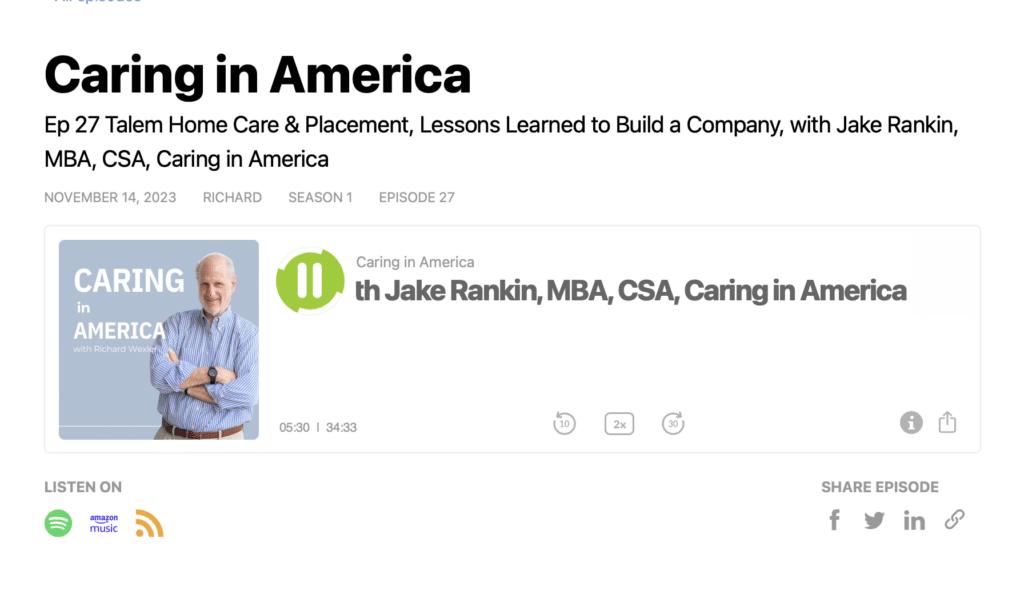
Listen here: https://www.buzzsprout.com/2171086/13969184-ep-27-talem-home-care-placement-lessons-learned-to-build-a-company-with-jake-rankin-mba-csa-caring-in-america Listen to this Conversation with Jake Rankin, Founder & CEO Talem Home Care and Placement Services. Jake learned that interactions with

As my parents and grandparents age, I often think about the comparison between the struggles they face as they age and the struggles I faced

Senior living communities are, thankfully, no longer the scary, smelly, horrible place they once were perceived to be. If anything, senior living has gone in
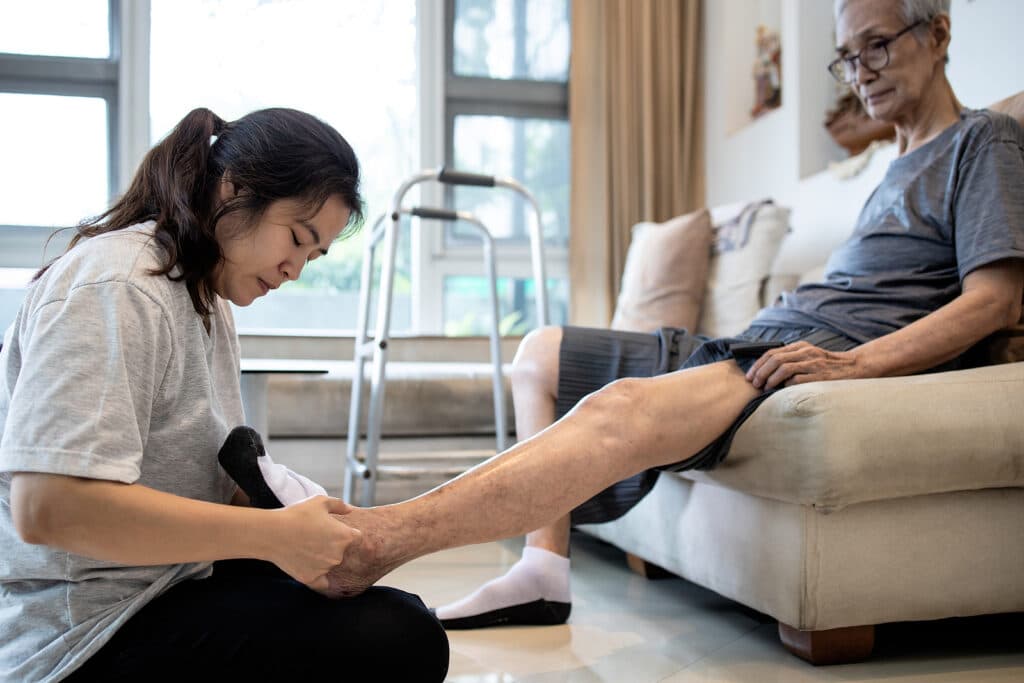
Knee pain is common in older people and can make it hard for them to do things they once loved. Everyday things like walking, going

For seniors, taking care of their medications is an important part of their healthcare practice, as properly managing drugs can have a big effect on

Arthritis and Rheumatism International founded World Arthritis Day in 1996. Since then, it’s a day when people around the world are encouraged to talk about

Janet had been caring for her elderly father, Ryan. He had served during the Vietnam War. He had a few emotional challenges to deal with
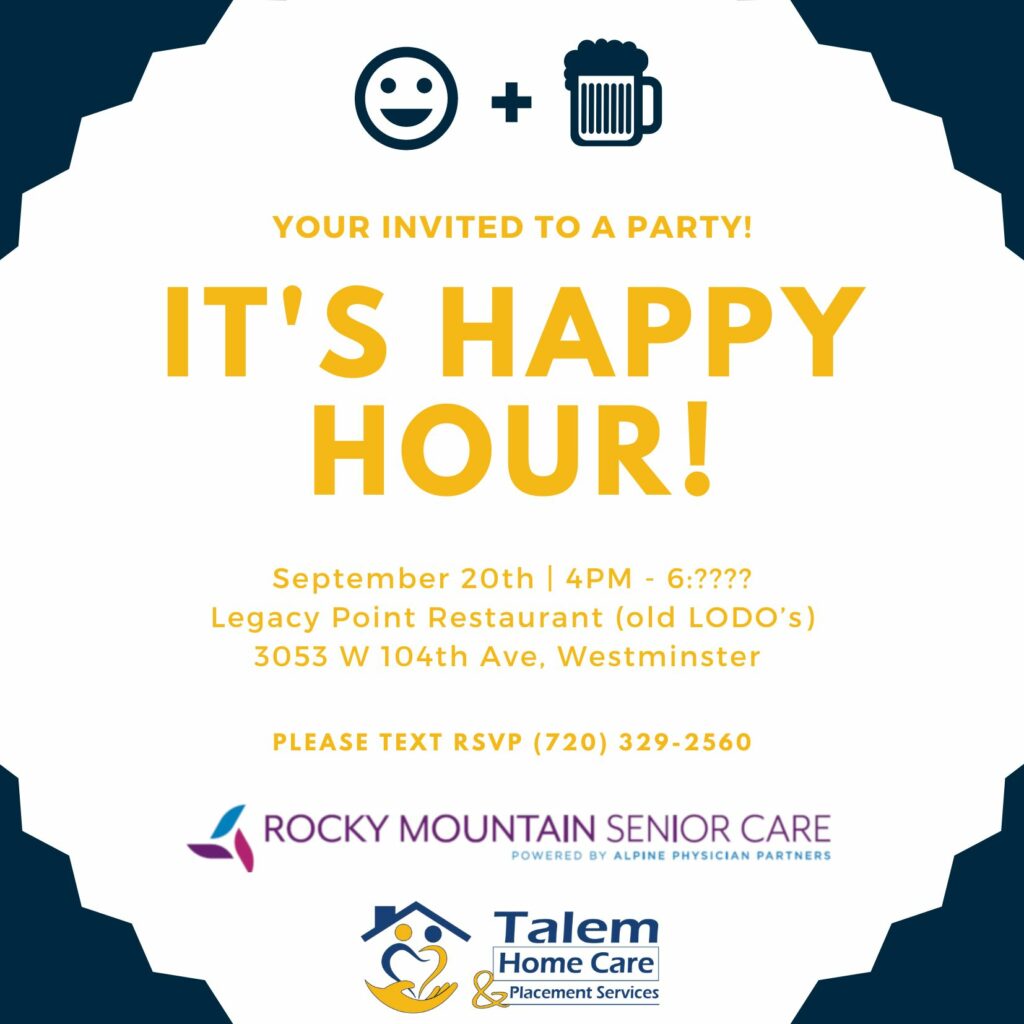
The happy hour is put on in partnership with Rocky Mountain Senior Care and Talem Home Care and placement services. The purpose of the happy